
Air Quality for Everyone: How Multi-language Education Empowers Action
At the national air quality conference in Omaha, we discussed eight key lessons we’ve learned while working with community-based organizations globally. One principle we are fully committed to is prioritizing accessibility—it is well worth the investment of time, money, and resources.
Here is how we are putting this into practice:
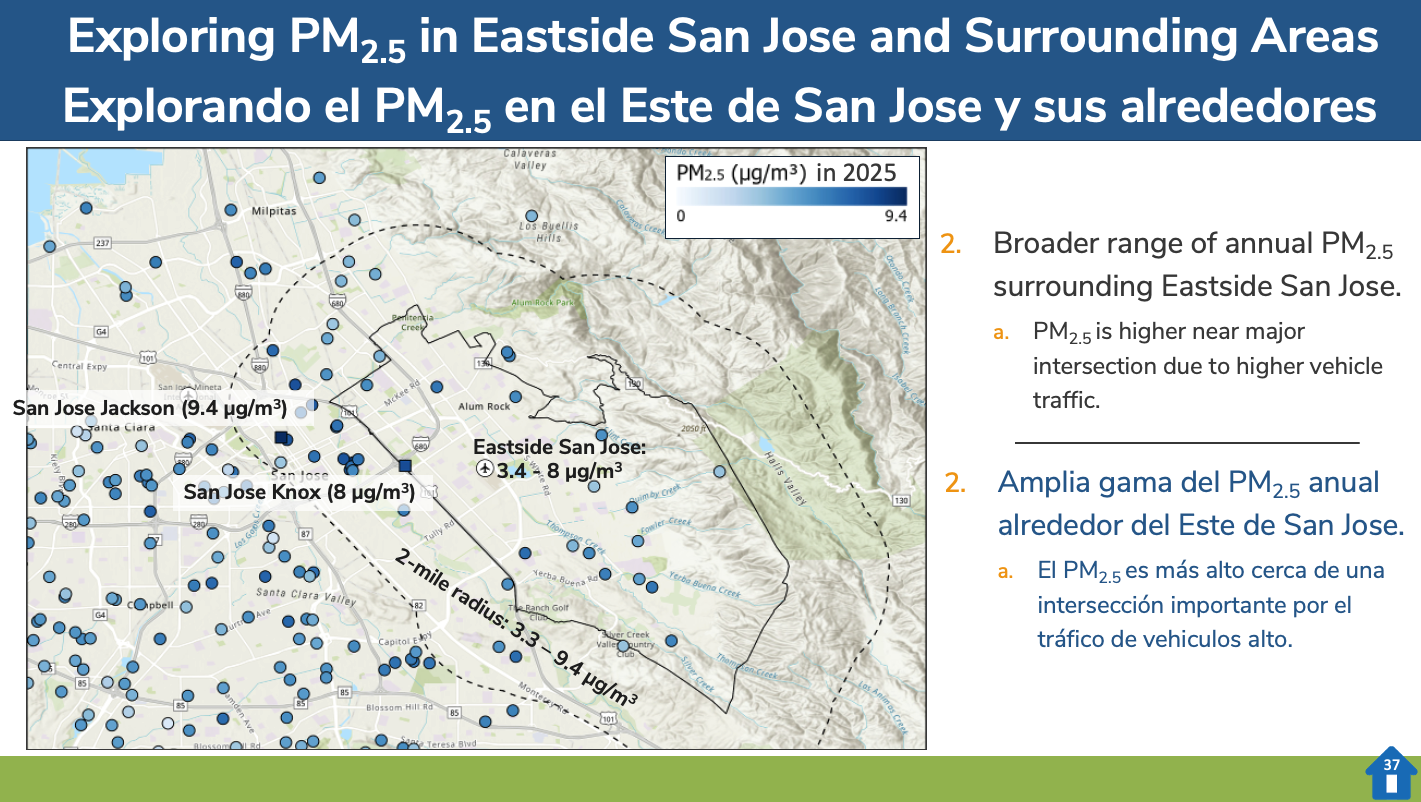
The Bay Center: This technical support center provides free assistance to community organizations and is funded by the Bay Area Air District. We frequently deliver air quality talks with simultaneous Spanish translation, including a session we presented on Thursday, August 27, 2026 in East San Jose.
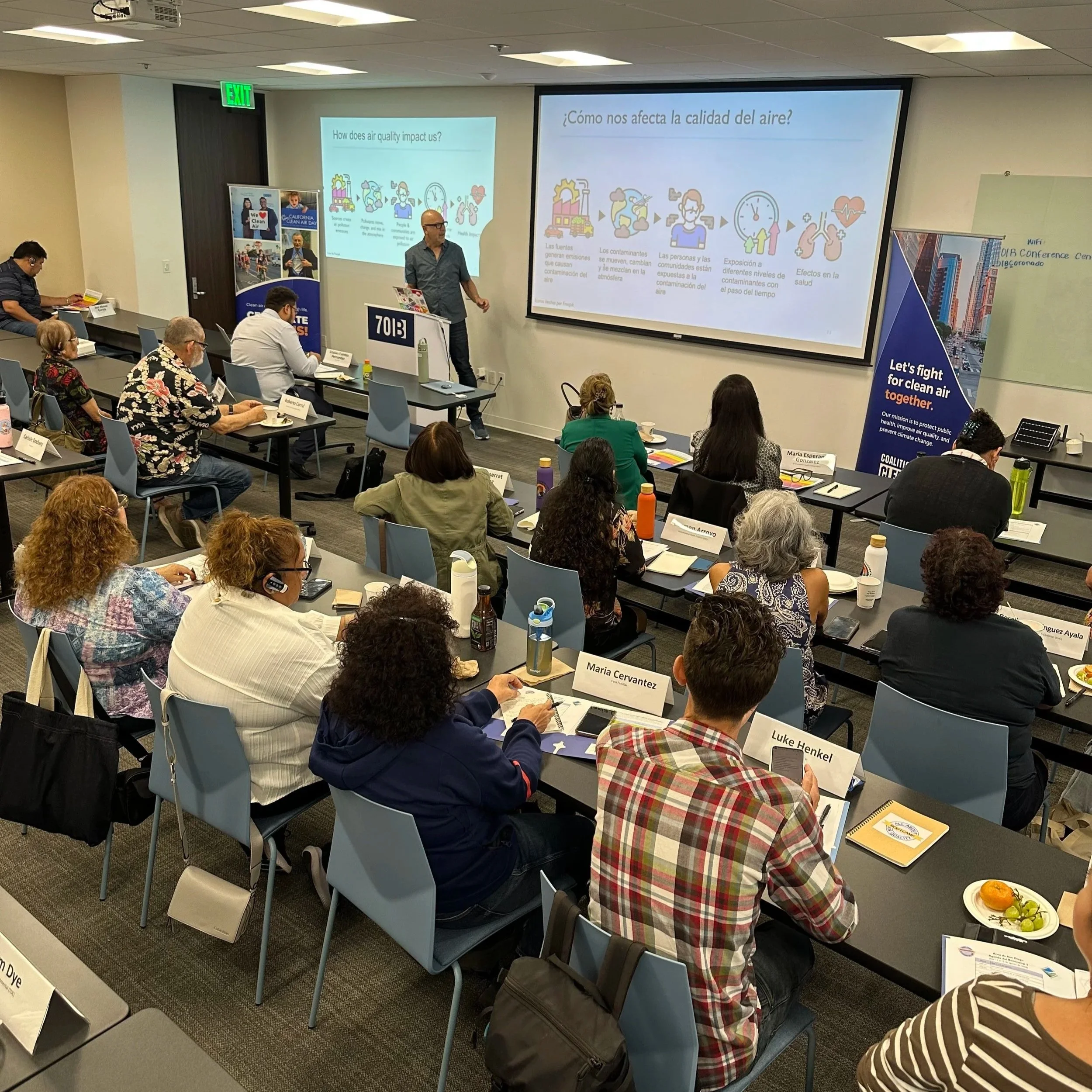
San Diego All About Air Quality Bootcamp: In partnership with the Coalition for Clean Air and with funding from CARB, we hosted our seventh air quality Bootcamp. We used simultaneous translation and bilingual slides to maintain a meaningful dialogue across languages.
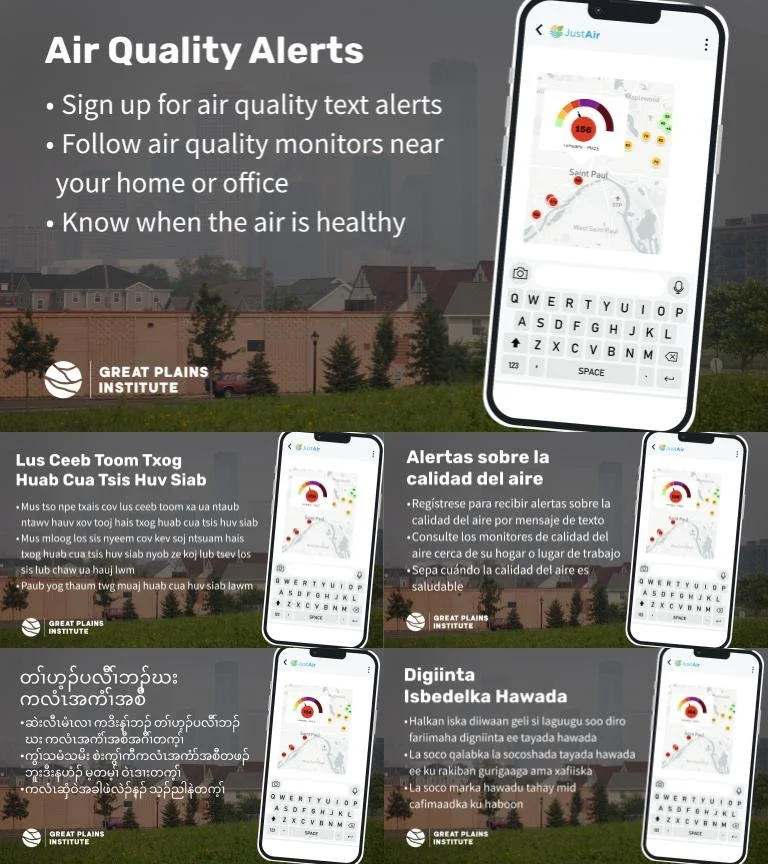
Minneapolis-St. Paul AIRNET Project: We are partnering with six local organizations and the Great Plains Institute to develop materials in five languages. This includes recently published guides for real-time air quality text alerts in five languages.
These engagements do more than just expand our audience; they enhance our understanding of how air quality is perceived at a local level and what's really important.